The book
The Sourdough Formula
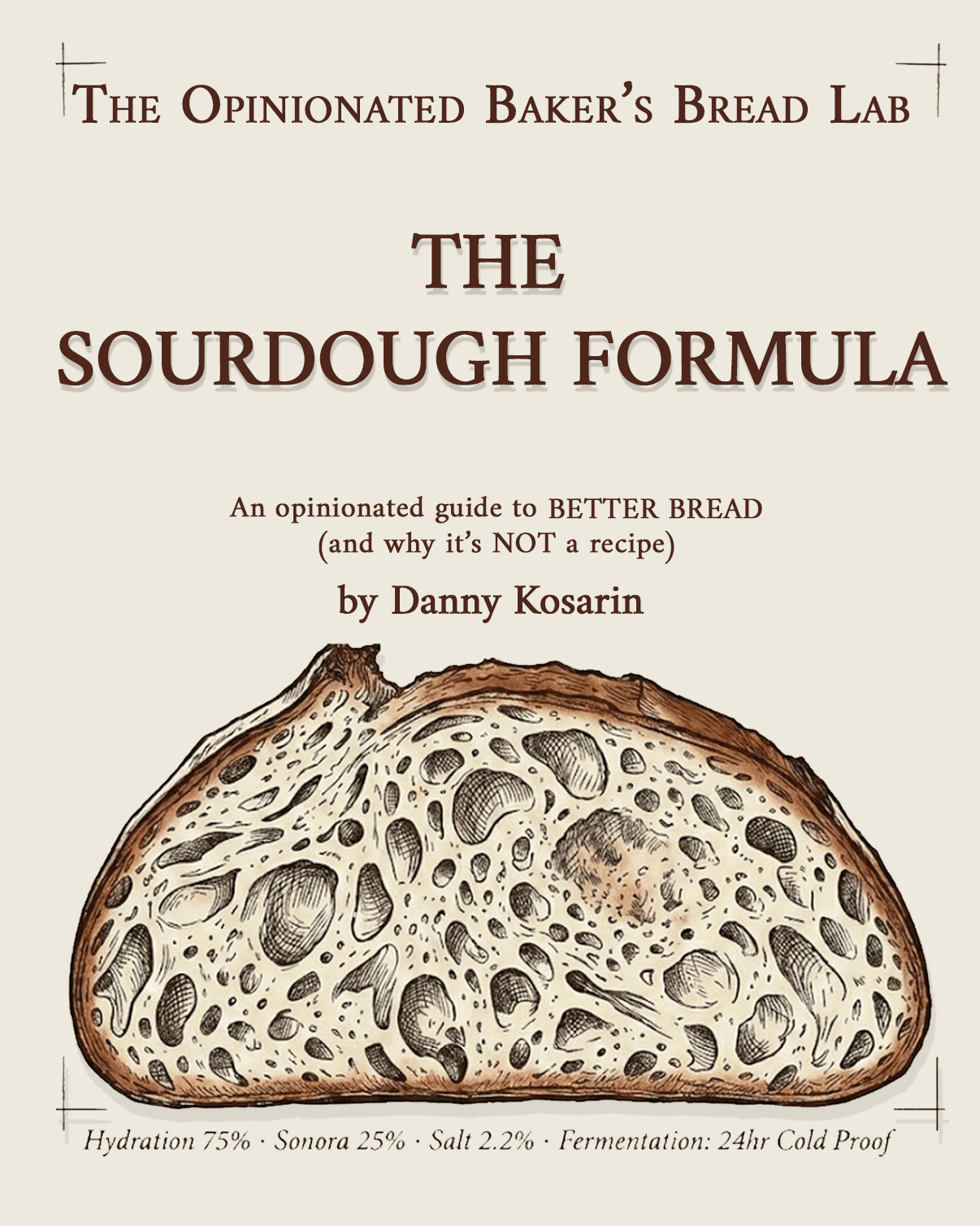


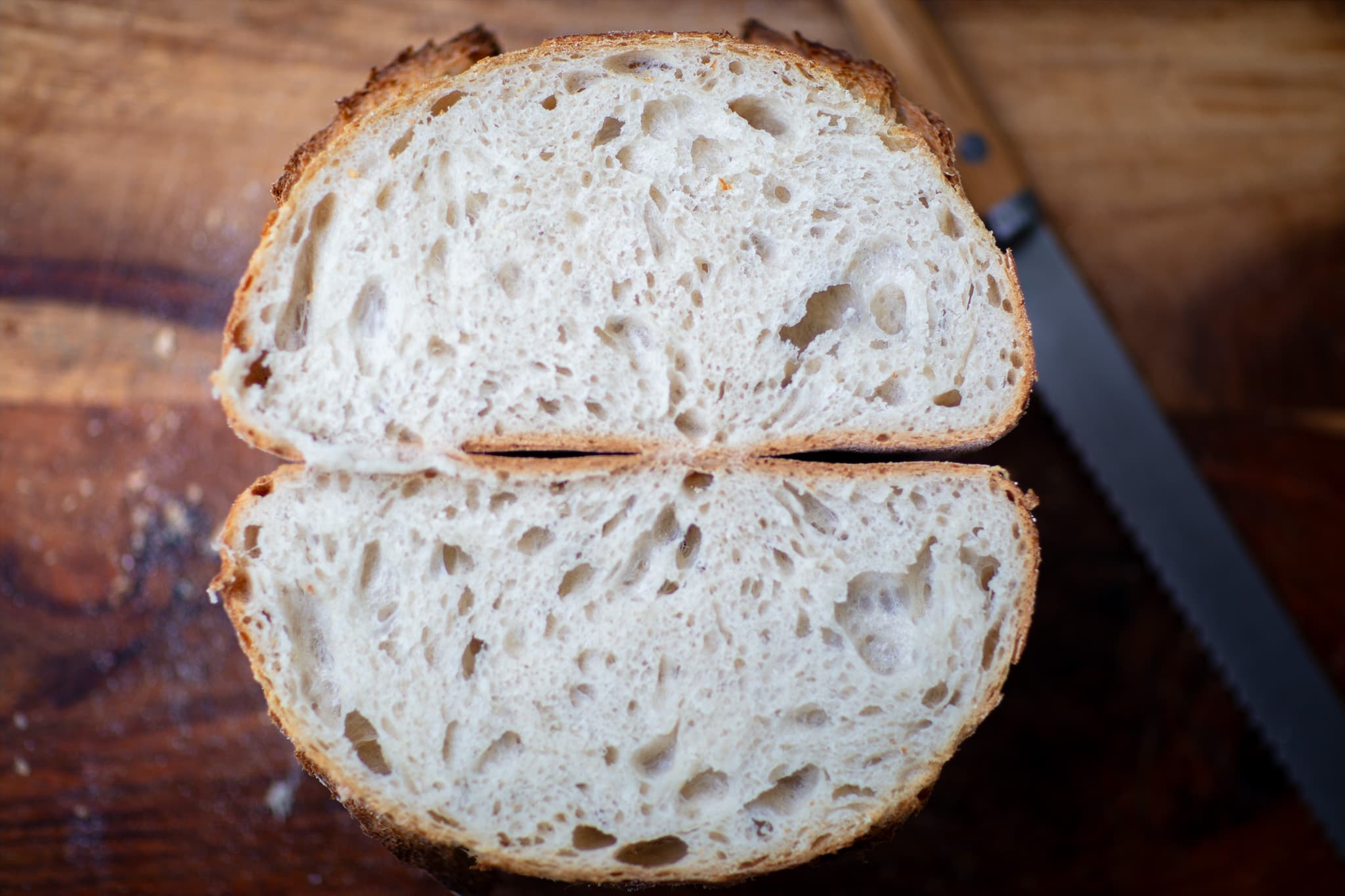
100% Central Milling Baker's Craft · 72% hydration · 15% starter · 2.2% salt · baked July 13, 2026
The Opinionated Baker's Bread Lab
The book teaches you how to think like a sourdough baker.The app helps you work like one.
The book teaches you how to think like a sourdough baker.The app helps you work like one.
One system, two tools
The book explains how I learned what I know, so you can understand how I think when I bake. The app helps you put that reasoning to work, bake after bake. It helps you plan, calculate, and make decisions, then preserves what you planned, what actually happened, and what the finished bread revealed.
Every bread you log makes the next one better.
The book
The app
A Word on the Word “Opinionated”
I know the word opinionated evokes generally negative reactions, so let me start by explaining what I mean by it here.
“In this book, being opinionated simply means cutting through the over-choice of the blank slate.”
Drawing on decades of successes and failures, I will tell you exactly where I think (well, know) you should start. At every step, I will point you at the concepts you need to master, so you can focus on what really matters.
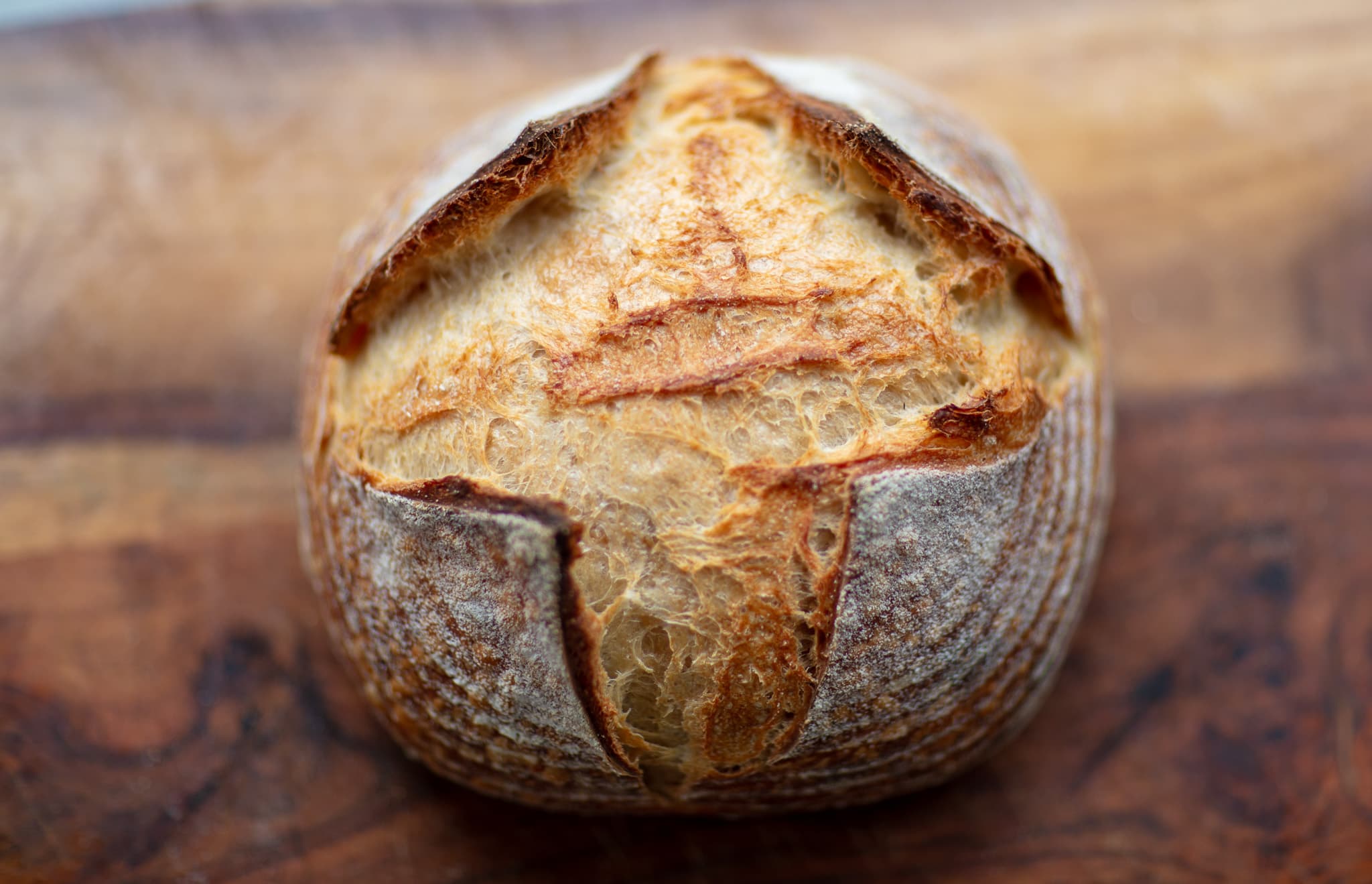
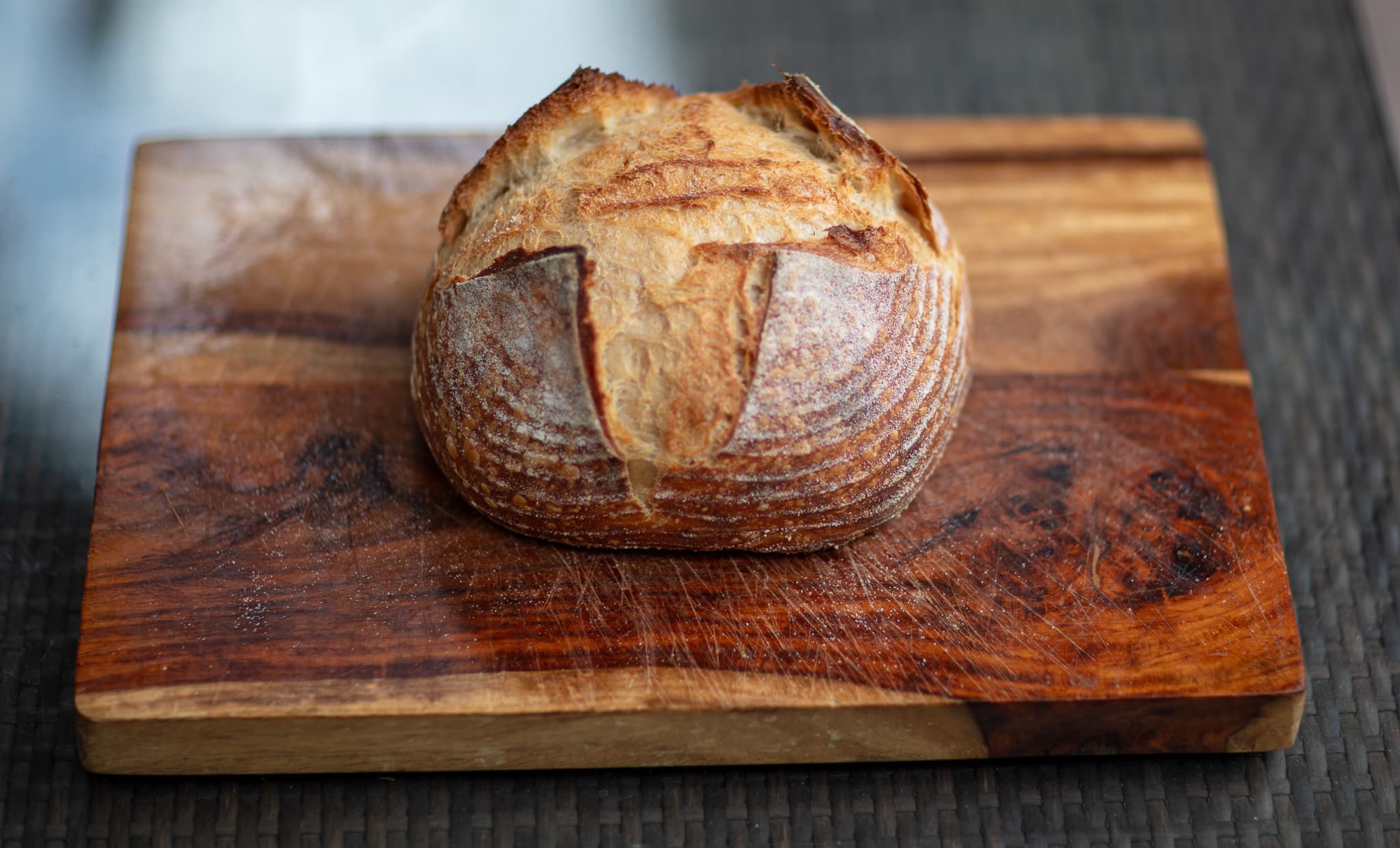
There is no food product you can make yourself at home that is more worthy of the effort than bread.
This is especially true of sourdough bread. It is nearly impossible to buy it as good as you will learn to make yourself, and most commercial bread (especially sourdough, the sour taste of which is often artificially achieved by the addition of vinegar) will eventually seem not worth eating by comparison. More importantly, the simplicity of combining three basic ingredients and producing a beautiful and delicious loaf of bread feels nothing less than magical, and your sense of accomplishment at this alchemy will be intoxicating and addicting. In addition to the complete control over ingredients and methods, you have the additional luxury of using time to create flavor, and patience tastes good.
It's a Formula, Not a Recipe.
No, a recipe is often an expression of instinct. If you're cooking dinner for two, you can take a chicken, add a pinch of salt, a small shake of tarragon, half a clove of garlic, a squeeze or two of whatever citrus fruit you have on hand and whatever else feels right in the moment. The stakes are low, the quantities are small and your senses and experience can guide you to a delicious result. But try scaling that same “recipe” to feed fifty people and the entire philosophy breaks down. You cannot meaningfully multiply “a pinch” of salt or a “squeeze” of lemon by fifty. Suddenly you need exact quantities, repeatable ratios and real measurements because scale does not absorb or forgive mistakes — it amplifies and compounds them.
With bread, a small error multiplies until it becomes disastrous. A slightly vague hydration, a casual amount of starter, an imprecise salt percentage or an unclear fermentation target may be survivable in one experimental loaf, but scale that confusion up and you have not created consistency. You have created a larger, more extensive (and expensive) failure.
This is why I distinguish so vehemently between recipe and formula. A recipe survives interpretation, but a formula survives scaling. Bread, especially lean hearth bread, is much closer to the world of science than art, using formulas rather than recipes because the relationships between flour, water, salt and fermentation must remain stable whether you are making one loaf or one hundred. Sure, some variables like water migration and heat retention change with the size of the dough mass, and that affects things like fermentation rate and that's no minor thing, but for the most part, making one bread is the same as making one hundred.
Before, during, and after the bake
Explore and plan everything the night before: choose the formula, build the levain, let the app run the math, set the schedule, and arm the reminders so you're ready to bake in the morning.
On bake day: follow the plan step by step from first mix to oven to cooling rack, keeping the timers and temperatures in view, and recording what actually happened in words, numbers, and photos along the way.
Get calm, situation-specific help when something looks or feels wrong. The app considers your formula, schedule, temperatures, timers, and observations, so its guidance is grounded in what actually happened, not generic advice or guesswork.
Every bake becomes the baseline for the next one: formulas, photos, and outcomes can be reviewed and compared to your entire bake history, so what you learn today is there when you need it tomorrow.
So, this is me, presenting a system. My system. The result of decades of baking, experimentation, failure, refinement, and study. I will ask you to trust my opinions, secure in the knowledge that I have tried many approaches over the years, and while I include some variations throughout so you can have a little pick-your-own-adventure fun from time to time, the entire system rests on a single underlying philosophy, one I hope you will find both practical and compelling:
“You don't need to be a talented cook or experienced baker to make exceptional bread.”
Anyone can do it. Really. I promise. You don't need mystical intuition, specialized equipment, or expensive ingredients. Some of the best breads I’ve made cost about $1.50 in ingredients and could easily fetch ten times that or more at market. What you will need is a fundamental understanding of these three things: simple formulas you can memorize so you never need a recipe again, careful observations recorded against repeatable techniques, and the willingness to learn what is actually happening inside the dough, so you can make the fine adjustments needed to carry you from good to exceptional bread.
Explore the project
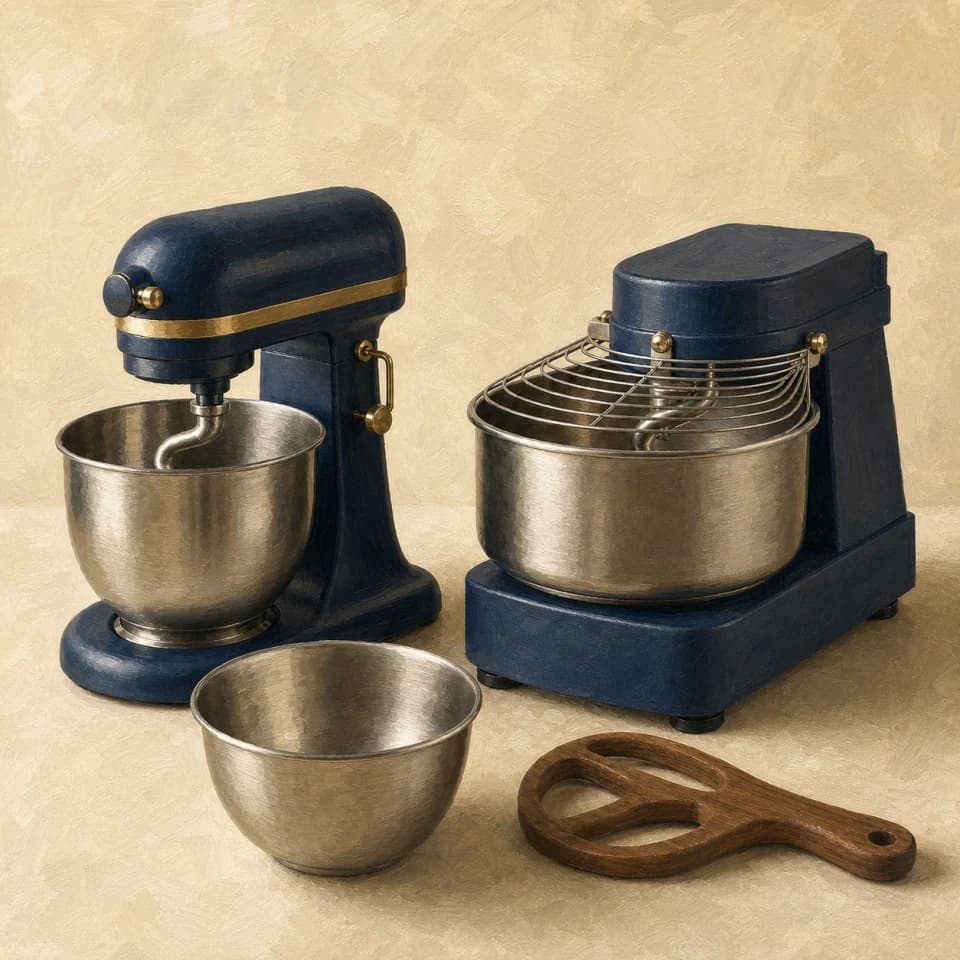
The gear I actually use, kept current, and the reference shelf behind the opinions.